Six Reasons Gastric Sleeve Remains a Leading Bariatric Surgery Option
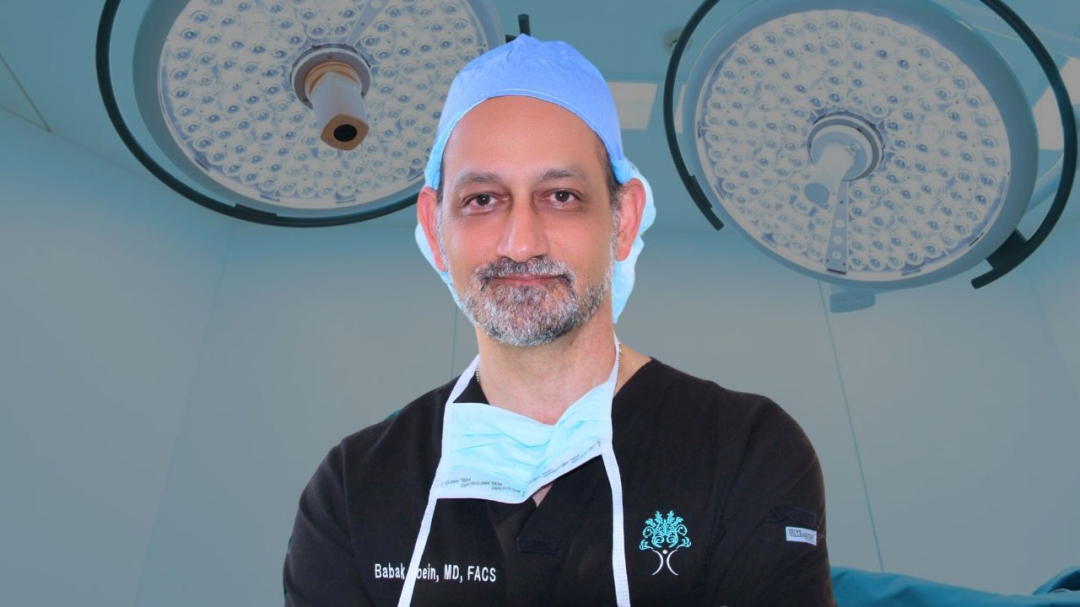
Healthy Life Bariatrics has released a new educational guide outlining six reasons sleeve gastrectomy remains one of the most frequently performed metabolic and bariatric procedures in the United States.
Also known as gastric sleeve surgery, sleeve gastrectomy reduces the size of the stomach while influencing biological signals associated with hunger, fullness, and metabolism. The American Society for Metabolic and Bariatric Surgery estimates that more than 157,000 sleeve gastrectomy procedures were performed in the United States in 2023.
Although no single operation is appropriate for every patient, Dr. Babak Moein explains that the gastric sleeve may offer a favorable combination of meaningful weight loss, relatively straightforward anatomy, and improvement in obesity-related health conditions.
How Gastric Sleeve Surgery Works
Sleeve gastrectomy is generally performed laparoscopically. During surgery, approximately 75% to 80% of the stomach is removed, leaving a narrow, sleeve-shaped stomach.
The smaller stomach limits meal capacity and helps patients feel full sooner. Removing part of the stomach may also influence hormones and gastrointestinal signals involved in appetite and metabolism. Unlike gastric bypass, the procedure does not reroute the small intestine.
Six Reasons Gastric Sleeve May Be Recommended1. It Supports Weight Loss Through Multiple Mechanisms
The sleeve is more than a purely restrictive operation. In addition to reducing stomach capacity, it alters appetite-related hormonal and neurological signals. These changes may decrease hunger, promote earlier fullness, and help patients follow smaller meal portions.
2. It Preserves the Natural Intestinal Pathway
Because the intestines are not bypassed, food continues to travel through the normal digestive route. This creates a simpler anatomical arrangement than gastric bypass and generally produces less malabsorption.
However, patients must still follow nutritional recommendations and may require lifelong vitamin and laboratory monitoring.
3. It Can Produce Significant and Durable Weight Loss
Most weight loss occurs during the first 12 to 18 months following surgery. Long-term results depend on the patient’s starting weight, metabolic health, eating behaviors, physical activity, and participation in follow-up care.
Evidence shows that sleeve gastrectomy produces substantially greater short- and long-term weight loss than nonsurgical care for appropriately selected patients with obesity.
4. It May Improve Obesity-Related Medical Conditions
Metabolic and bariatric surgery can improve conditions such as type 2 diabetes, high blood pressure, obstructive sleep apnea, abnormal cholesterol levels, joint discomfort, and fatty liver disease. These improvements may occur through both weight loss and metabolic changes after surgery.
5. It May Offer Future Revision Options
If a patient later experiences inadequate weight loss, significant weight regain, severe reflux, or another complication, sleeve gastrectomy may sometimes be converted to gastric bypass, SADI-S, or another bariatric procedure.
The possibility of revision does not make the initial operation risk-free, but it provides additional treatment pathways when clinically necessary.
6. It Uses a Well-Established Minimally Invasive Approach
Gastric sleeve surgery is commonly performed through several small laparoscopic incisions. Patients are encouraged to walk soon after surgery and advance through a structured liquid, puréed, soft-food, and regular-food plan.
Return to work and normal activities varies according to the patient’s health and type of employment. Complete internal healing takes longer than the initial return to everyday activities.
Gastric Sleeve Is Not the Best Choice for Everyone
Patients with severe gastroesophageal reflux, Barrett’s esophagus, complex metabolic disease, or specific eating patterns may benefit more from gastric bypass or another procedure.
Potential sleeve complications include bleeding, leakage from the staple line, blood clots, narrowing of the stomach, worsening reflux, nutritional deficiencies, gallstones, and weight regain.
Current ASMBS and IFSO guidelines recommend metabolic and bariatric surgery for individuals with a BMI of 35 or higher, regardless of whether obesity-related conditions are present. Surgery may also be considered for selected patients with a BMI between 30 and 34.9 who have metabolic disease or have not achieved durable results through nonsurgical treatment.
Long-Term Success Requires Ongoing Support
Gastric sleeve surgery is a treatment tool rather than a stand-alone cure. Long-term success depends on protein-focused nutrition, appropriate hydration, vitamin supplementation, regular exercise, behavioral support, laboratory testing, and continued follow-up with the bariatric team.
“The goal is not simply to make the stomach smaller,” said Dr. Babak Moein. “The goal is to select the right operation and provide the medical, nutritional, and behavioral support needed to achieve lasting improvement in health.”
About Healthy Life Bariatrics
Healthy Life Bariatrics is a Los Angeles bariatric surgery practice led by Dr. Babak Moein. The practice provides individualized evaluation and treatment options, including sleeve gastrectomy, gastric bypass, revisional bariatric surgery, and other metabolic weight-loss procedures.
Patients considering bariatric surgery may contact Healthy Life Bariatrics to schedule a comprehensive consultation and determine which treatment best matches their health, anatomy, and long-term goals.
Media Contact
Company Name: Healthy Life Bariatrics
Contact Person: Bariatric Surgeon Dr.Moeinolmolki
Email: Send Email
Phone: +1(310)861-4093
Address:2080 Century Park East, Suite 501
City: Los Angeles
State: CA
Country: United States
Website: https://healthylifebariatrics.com/


