Key Properties Drive Widespread Titanium Use in Chemical Processing Equipment
Baoji, Shanaxi, China – October 13, 2026
For chemical plant operators, downtime and equipment replacement costs are constant headaches. Strong acids, chlorides, and high-temperature corrosive media quickly degrade ordinary carbon steel and even stainless steel components. This is where titanium steps in as a reliable material solution for chemical processing equipment.
Titanium’s biggest advantage lies in its outstanding corrosion resistance. When exposed to oxygen, titanium instantly forms a thin, stable passive oxide film on its surface. This protective layer self-repairs if scratched or damaged, shielding the base metal from attack by wet chlorine, nitric acid, chlorinated brines and many other aggressive chemicals. Unlike stainless steel, titanium resists chloride-induced pitting and stress corrosion cracking, a common failure mode in chemical reactors and heat exchangers.
Weight is another key benefit. Titanium has roughly half the density of steel, yet maintains impressive tensile strength. Titanium equipment can reduce the overall structural load on reactor platforms and support frames. Lighter components also cut shipping and installation labor costs, especially for large pressure vessels and internal piping systems.
Many plant managers worry about long-term operational expenses. While titanium carries a higher upfront material cost, its extended service life delivers major savings. Stainless steel units may require frequent maintenance, coating repairs, or full replacement within a few years. Properly fabricated titanium equipment can run reliably for decades with minimal upkeep, reducing unplanned shutdowns that hurt production revenue.
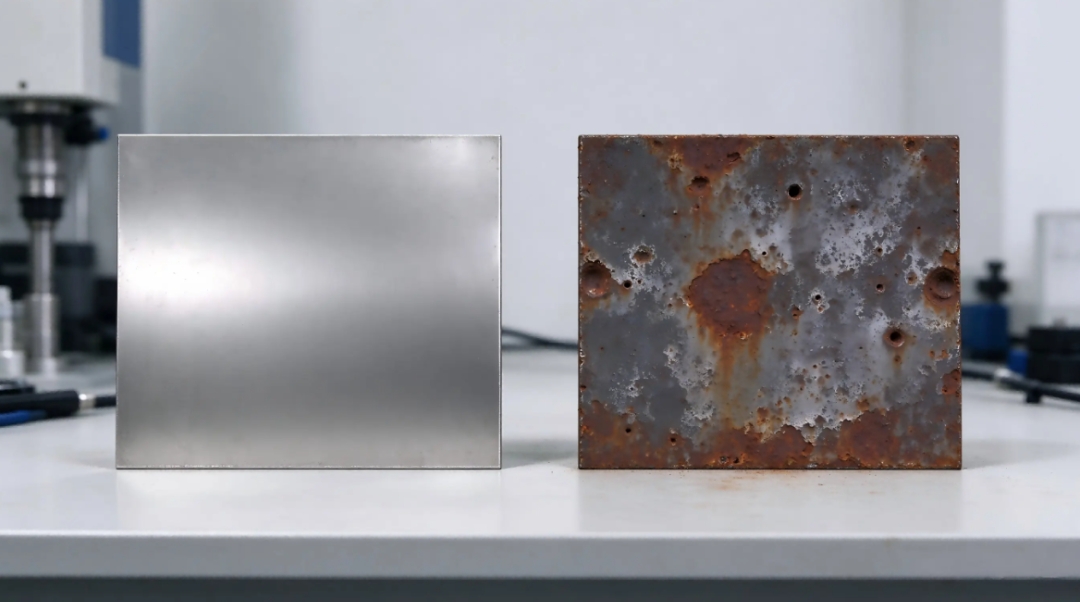
Titanium also handles a broad temperature range and works well with clean process streams. It does not contaminate sensitive chemicals, making it suitable for fine chemical, pharmaceutical and chlor-alkali production lines. Fabricators can machine, weld and form titanium into heat exchangers, distillation columns, tanks, flanges and custom fittings to match unique process requirements.
That said, titanium is not universal. It performs poorly in strong reducing environments like dry hydrofluoric acid. Experienced material engineers will always review process parameters, temperature and media composition before selecting titanium for a project.
When you weigh total cost of ownership, corrosion resistance and mechanical performance, titanium remains one of the top material picks for modern chemical processing facilities. If your project involves corrosive process fluids, titanium equipment may be the smart investment to avoid costly unexpected failures.
About Us
Baoji Yesheng Titanium Industry Co., Ltd., established in 2007 and headquartered in Baoji—China’s renowned “Titanium Valley,” is a high-tech enterprise specializing in producing, processing, and selling titanium and titanium alloy products. It is certified with ISO9001 and GJB9001 quality management systems.
Media Contact
Company Name: Baoji Yesheng Titanium Industry Co.,Ltd.
Contact Person: Media Relations
Email: Send Email
Country: China
Website: https://www.tiyesheng.com/


