As CEO Burnout Reaches Crisis Levels in 2026, Dr. Wallace Brucker Says the Boardroom Is Treating a Biological Problem With Non-Biological Tools
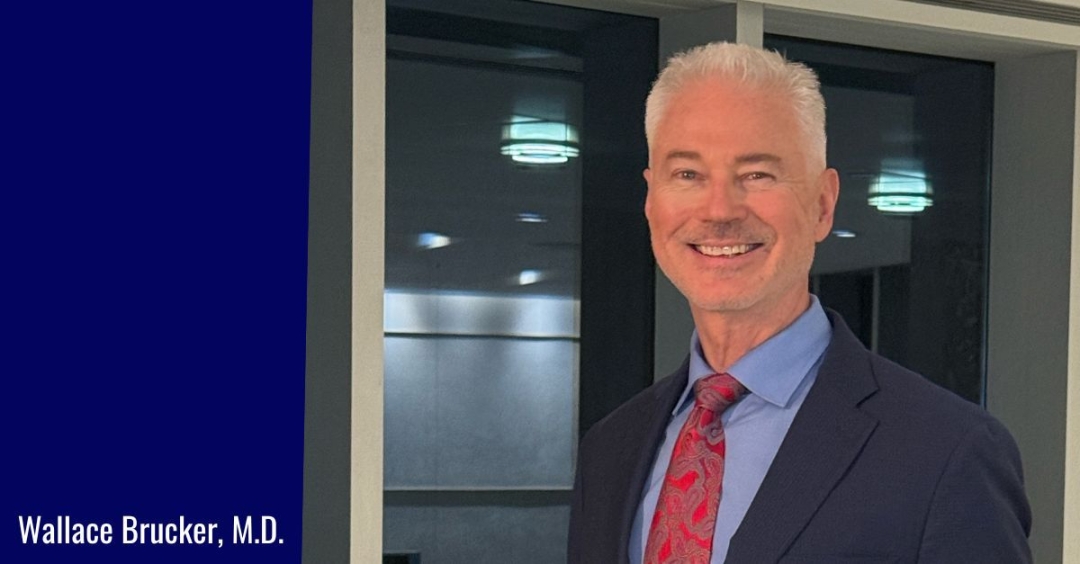
LAS VEGAS – July 29, 2026 – Executive burnout has moved from a private struggle to a headline business risk in 2026, and the data explains why. Dr. Wallace Brucker, a board-certified surgeon and longevity medicine expert at LV Longevity Lab in Las Vegas, argues that most of the corporate response is aimed at the wrong target — treating a fundamentally biological breakdown with coaching, apps, and time off, while leaving the underlying physiology unmeasured and unaddressed.
The Numbers Behind the Crisis
The scale of executive burnout is now difficult to overstate. According to the Q2 2026 Vistage CEO Confidence Index, which captured responses from 1,351 CEOs of small and midsize businesses, burnout is now a defining feature of the leadership environment — 70% of CEOs report experiencing it at least occasionally, and 28% say it happens frequently or daily. Broader leadership data tells the same story: 71% of leaders reported increased levels of stress in Development Dimensions International’s Global Leadership Forecast, up from 63% in 2022, drawn from a survey of 10,796 leaders worldwide.
The consequences reach the balance sheet. The estimated annual cost of burnout reaches $20,683 per executive, according to the American Journal of Preventive Medicine — far higher than the cost at any other level of an organization.
Why the Boardroom Is Paying Attention
What has changed in 2026 is not just the prevalence of burnout but the understanding of what it does to a leader’s brain. Chronic stress reduces activity in the prefrontal cortex — the brain region responsible for strategic thinking, impulse control, and complex decision-making — while activity surges in the amygdala, the center for fear and fight-or-flight responses. The result, researchers note, is a leader who leans toward risk-averse choices, delays strategic execution, and resorts to micromanagement — exactly the opposite of what’s needed during transformation.
This is precisely where Dr. Brucker believes the corporate response falls short.
“You Cannot Coach Your Way Out of a Cortisol Problem”
“Burnout has finally been recognized as a serious risk, and that’s progress,” said Dr. Brucker. “But look at how we’re treating it — resilience workshops, meditation apps, a week at a retreat. Those things have value, but they’re addressing the psychology while ignoring the biology underneath it. Burnout is not just a feeling. It is elevated cortisol, disrupted sleep architecture, hormonal depletion, mitochondrial fatigue, and systemic inflammation — all of which are measurable, and all of which are treatable. You cannot coach your way out of a cortisol problem. First you have to measure it.”
A Biology-First Approach to Executive Burnout
At LV Longevity Lab, executive burnout is evaluated the way any serious medical condition would be — through comprehensive testing, detailed history, and objective data rather than self-report alone. The process is built in stages.
Comprehensive stress and hormone testing. Evaluation begins with objective measurement of the stress-response system, including cortisol patterns, and a comprehensive hormonal assessment using blood panels combined with DUTCH urine testing. Chronic stress systematically depletes the hormones that sustain energy, focus, and resilience, and Dr. Brucker measures that depletion directly rather than inferring it.
Detailed medical and lifestyle history. A thorough history captures the sleep patterns, travel demands, workload, medication use, and physical symptoms that shape each executive’s physiological state — the context that turns raw lab values into an actionable plan.
Metabolic, inflammatory, and cardiovascular assessment. Because burnout drives inflammation and cardiovascular strain, testing includes inflammatory markers, metabolic and insulin evaluation, and cardiovascular risk analysis. This identifies the downstream physical damage of chronic stress before it becomes a cardiac event.
Cellular energy and sleep evaluation. Burnout is often, at its core, an energy failure. Assessment addresses the cellular energy and sleep architecture that determine whether a leader can recover, guiding interventions from sleep optimization to cellular support.
A personalized, monitored protocol. From this data, Dr. Brucker builds an individualized plan — which may include hormone optimization, cellular energy support, hyperbaric oxygen therapy, and targeted lifestyle intervention — with retesting to confirm the physiology is actually improving, not just the mood.
Treating the Cause, Not the Symptom
Dr. Brucker’s argument is that measurement changes everything. “When an executive tells me they’re exhausted, that’s the starting point of the investigation, not the conclusion,” he said. “The question is why — and the why is almost always something we can put a number on. Once we know whether it’s cortisol dysregulation, hormonal decline, poor sleep architecture, or all three, we can actually fix it. That’s the difference between helping someone cope with burnout and helping them recover from it.”
A Uniquely Qualified Perspective
Dr. Brucker brings an uncommon background to the problem of performance under pressure. A West Point graduate and board-certified orthopedic surgeon with fellowship training in anti-aging medicine, he spent more than 30 years optimizing the performance and resilience of Navy SEALs and Special Forces personnel — operators for whom sustained function under extreme, chronic stress was a matter of survival. That experience underlies his conviction that resilience is built on measurable biology, not willpower.
The executive burnout evaluation program is available now to leaders in Las Vegas and to those traveling for care. Executives interested in a biology-based burnout evaluation are encouraged to contact the clinic.
About Dr. Wallace Brucker and LV Longevity Lab
Dr. Wallace Brucker is a West Point graduate, board-certified orthopedic surgeon, and longevity medicine expert who spent more than 30 years optimizing performance for elite military personnel. At LV Longevity Lab in Las Vegas, he provides proactive, longevity-focused medicine — including comprehensive diagnostics, hormone optimization, cellular energy support, and personalized protocols — designed to help patients and executives preserve health, function, and vitality throughout demanding careers.
Media Contact
Company Name: LV Longevity Lab
Contact Person: Dr. Wallace Brucker
Email: Send Email
Phone: (702) 478-3369
Address:Margaret Brucker, PA-C LV Longevity Lab 4315 Dean Martin Dr, Unit 230E
City: Las Vegas
State: NV 89103
Country: United States
Website: https://lvlongevitylab.com


